Netflix: Please Don’t Leave
Timeline: 3 Month Contract
Role: Product Designer
Team: 1 Designer, 1 PM, 3 UX Researchers
Deliverable: 80+ page report with strategic recommendations
The Problem
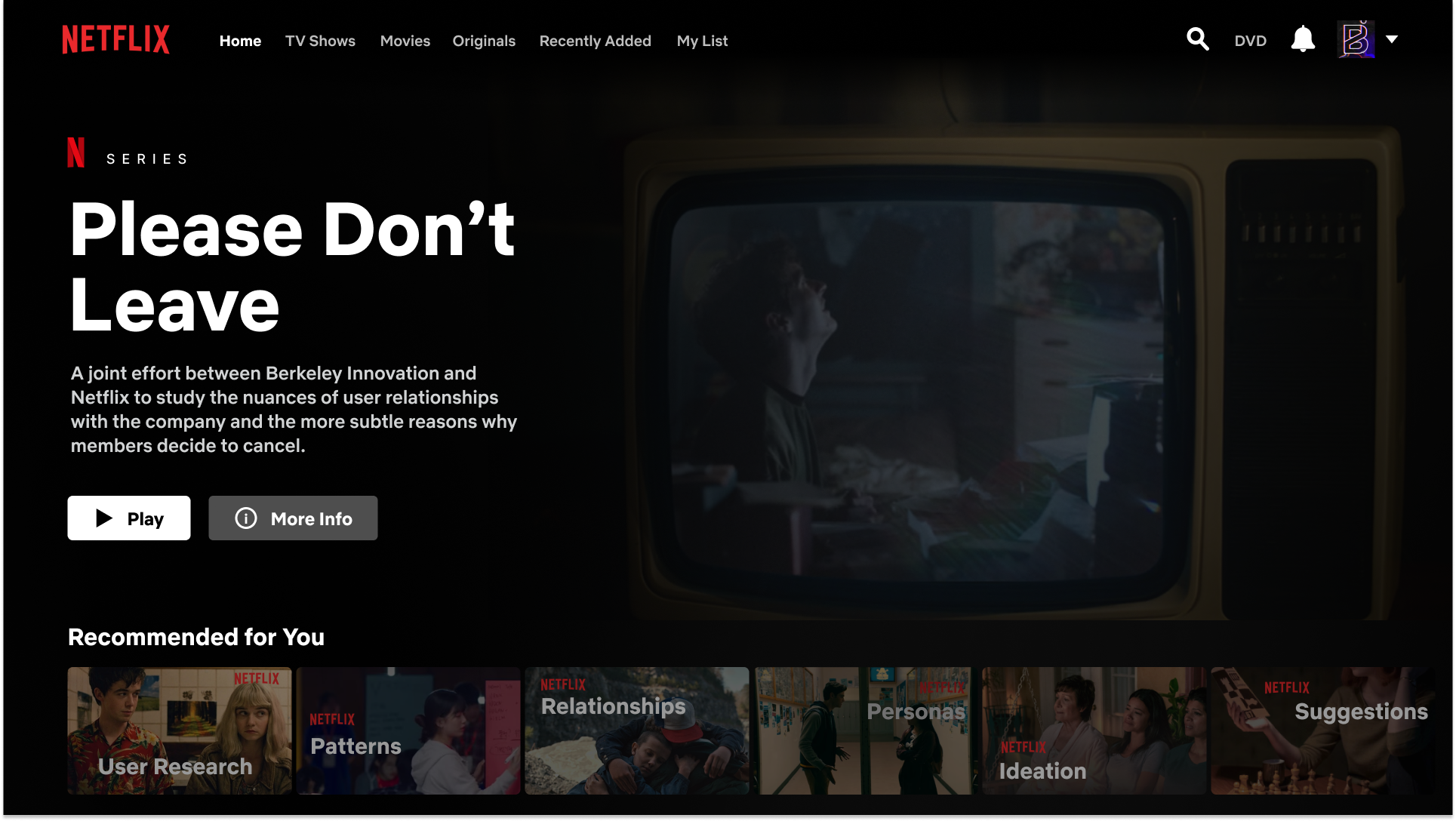
This project aims to understand why people leave Netflix. Many members leave and return to Netflix. They also frequently switch between other streaming video-on-demand (SVOD) services without penalty, known as churning. We are working with Netflix to uncover the subtle reasons why members leave Netflix and how to stop them from canceling from a loyalty perspective. Ultimately, our goal is to identify solutions that make members feel more valued and inclined to stay from a loyalty perspective.
Project Overview
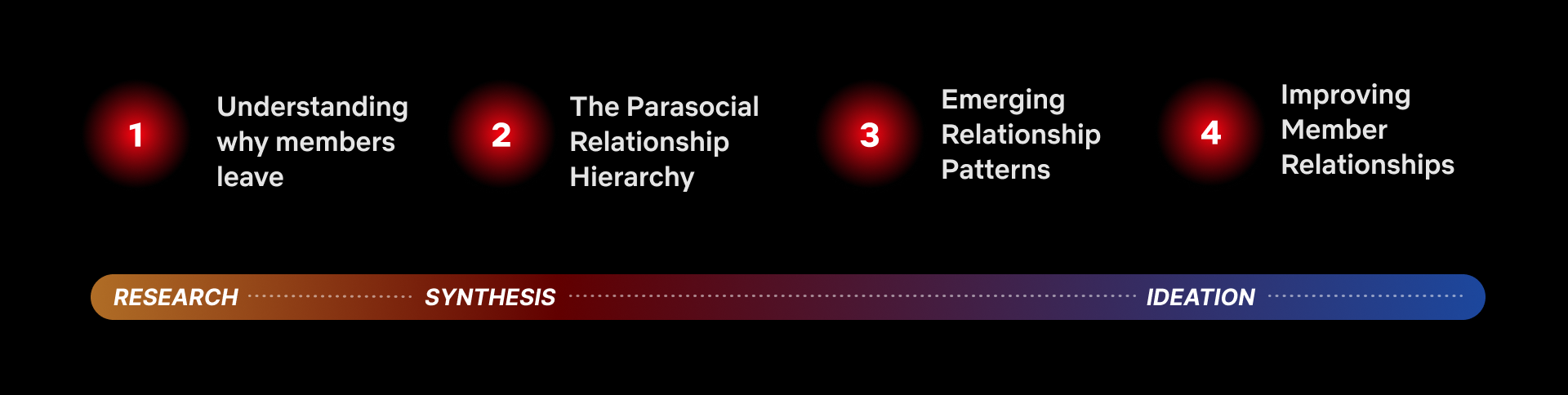
Brief overview of how we structured our project from research, synthesis, to ideation.
GOAL
How might we help members feel more inclined to stay or come back to Netflix?
Final Solution
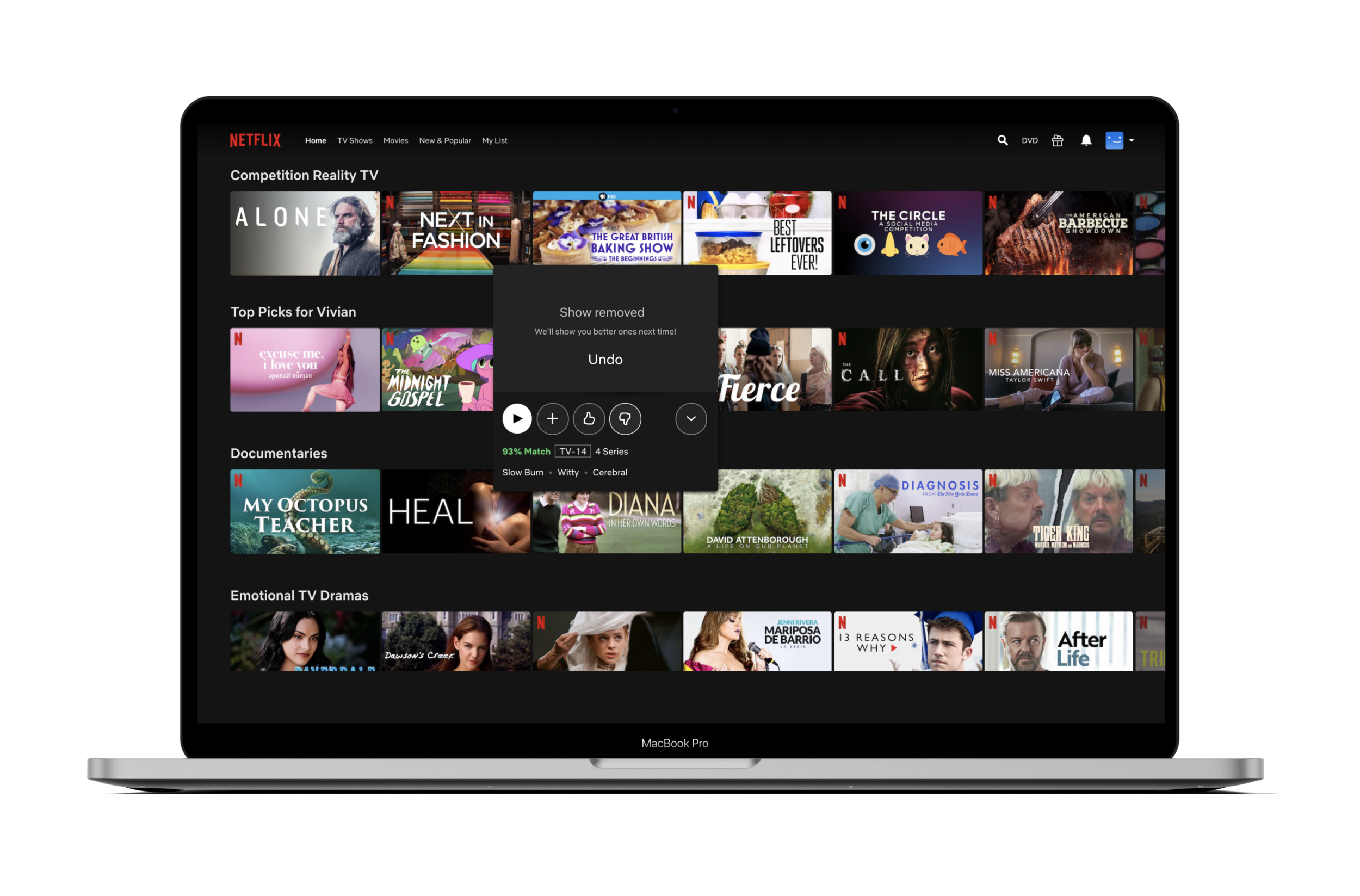
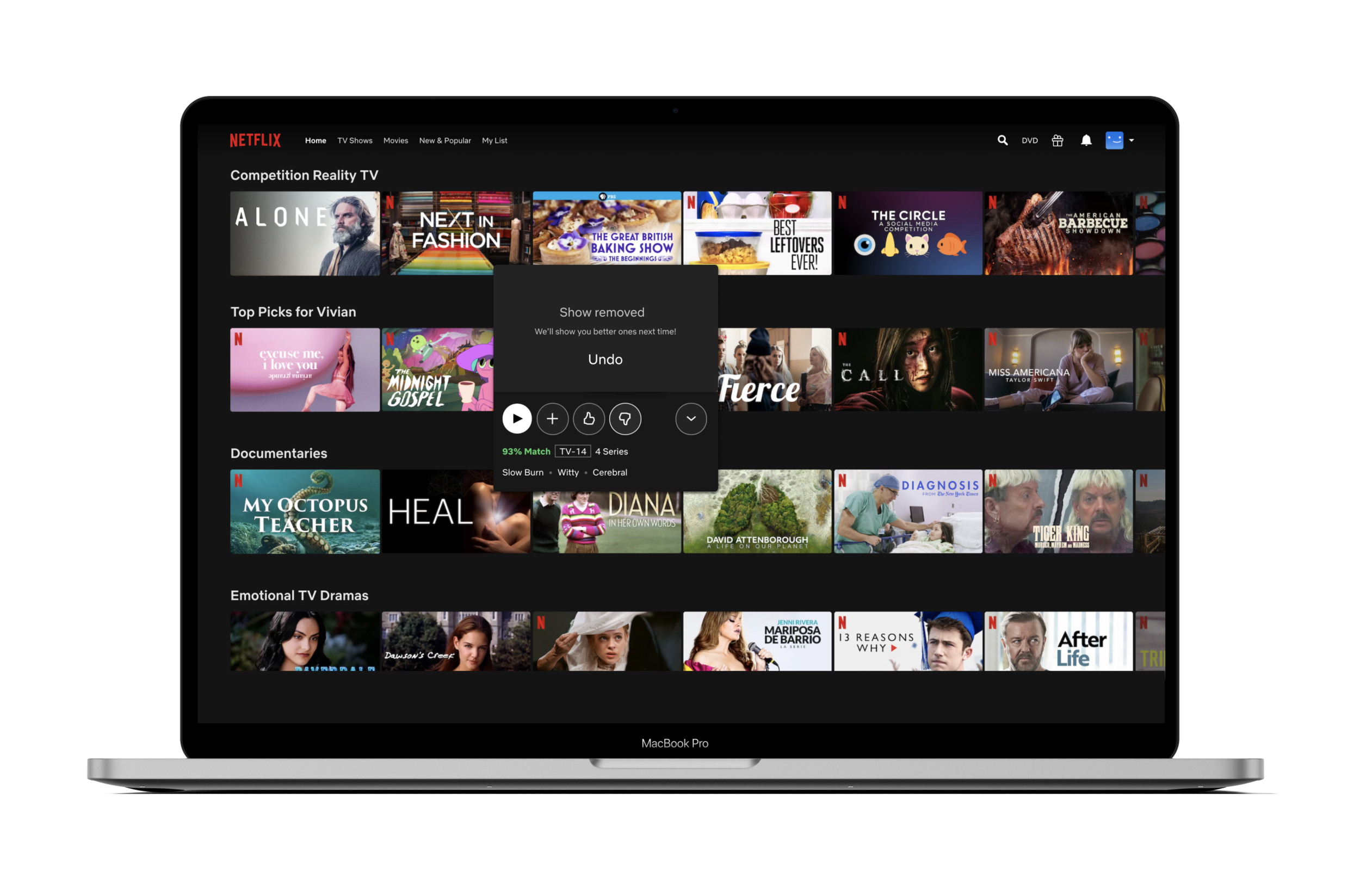
Netflix’s home page opens up to a gallery of different movie titles. The solution I came up with involved redesigning Netflix’s movie hover state to provide users more immediate feedback about their viewing preferences after rating a particular movie they didn’t like.
SETTING THE CONTEXT: RELATIONSHIPS
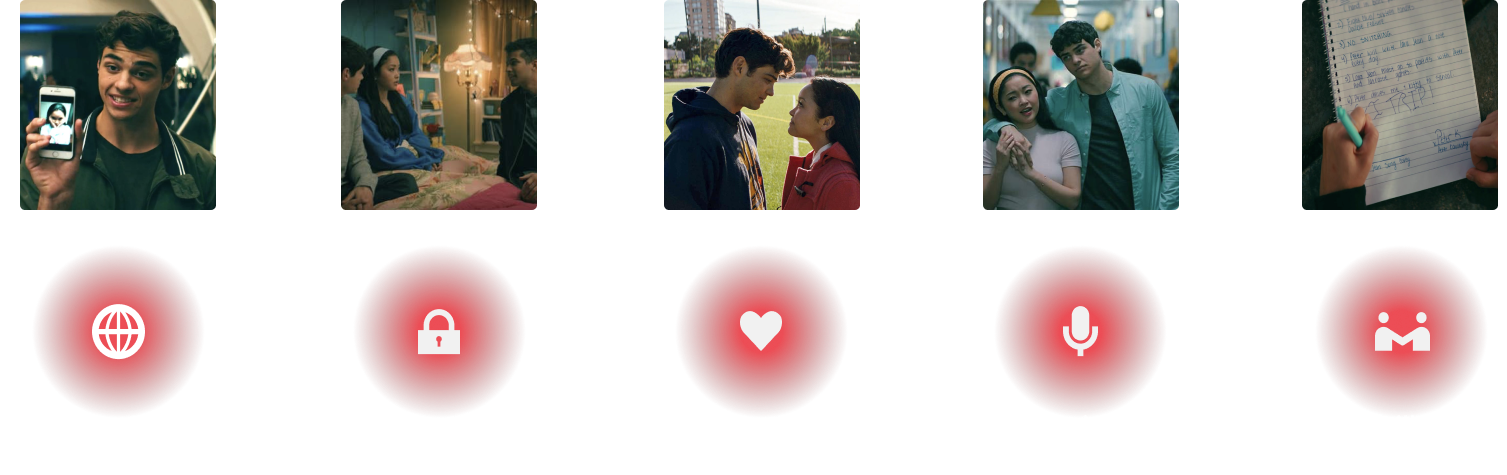
Netflix member relationships are analogous to human relationships…
Research
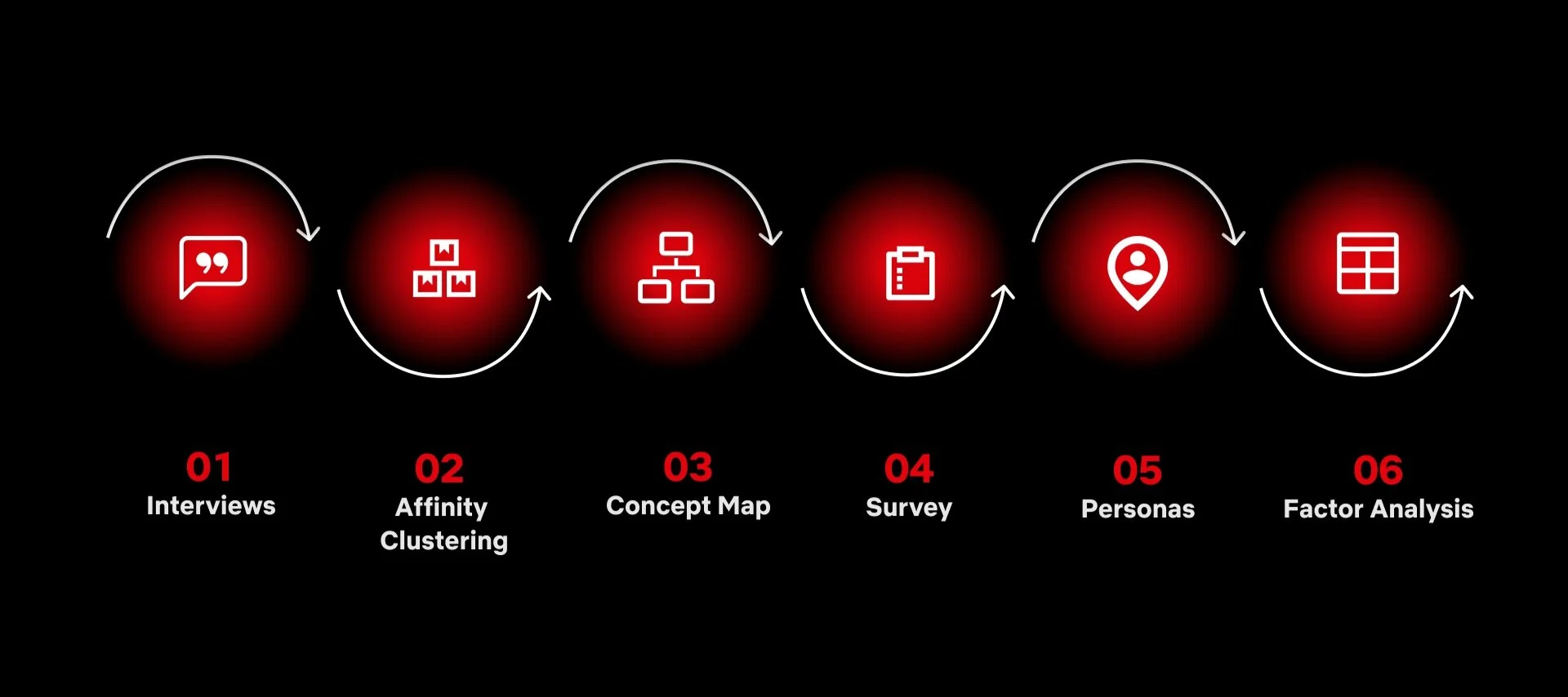
Through user research, surveys, and talking directly to Netflix’s current members, ex-members, and never returners, we aimed to uncover clearer answers to the following questions about their relationship with Netflix. We synthesized our research using a variety of methods including affinity maps, concept maps, factor analysis, and personas.
1. What are some of the more obscure reasons for why people cancel?
2. What are member’s relationship to Netflix such that it’s okay to come and go?
3. What might encourage them to stay with Netflix?
METHODS
We used the following 6 methods to consolidate our research findings.
RESEARCH
1. Interviews
We created an interview guide and conducted 13 one-hour-long interviews.
We included five sections of questions in our interview quide including questions about basic account information, their relationship with streaming services, reflection on leaving, and factors that may influence their decision to stay.

KEY INSIGHTS: TYPES OF RELATIONSHIPS
2. Key Themes
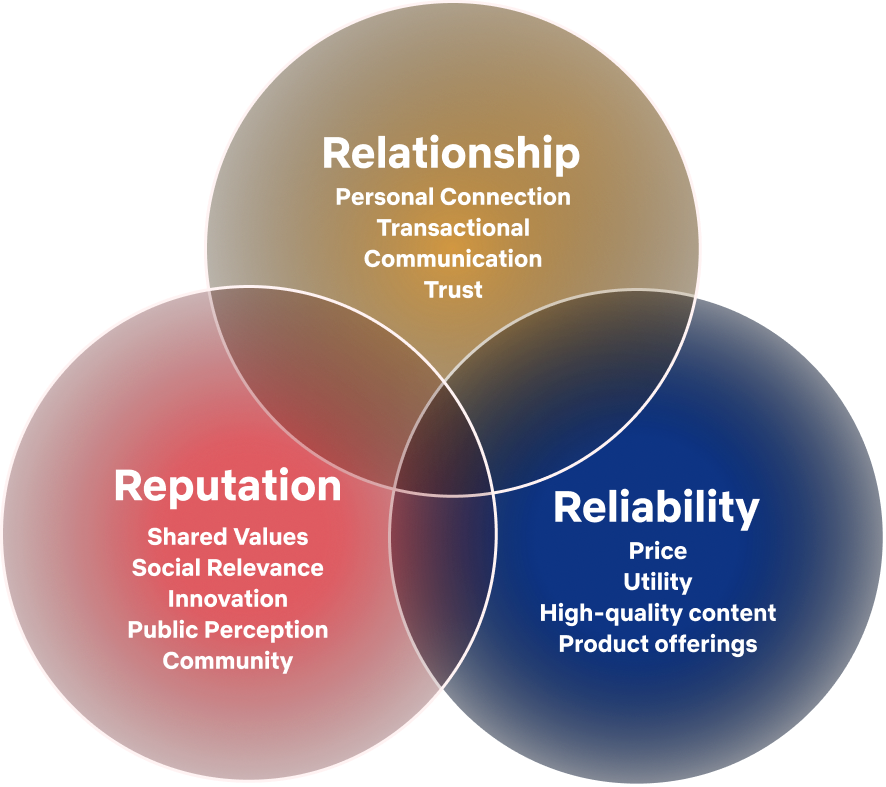
From our interviews and affinity clustering, we found there are two types of relationships that people form with Netflix including a (1) transactional relationship or (2) personal connections developed through communication and trust.
Furthermore, members are concerned about the reputation of the brands that they chose to support, most often aligning themselves with socially relevant brands that share their values, exemplify innovation, and community-mindedness.
Lastly, members want to support a brand with a reliable price with high-quality content and product offerings.
SYNTHESIS: CONCEPT MAP
3. Concept Mapping
How do members form loyalty to a brand?
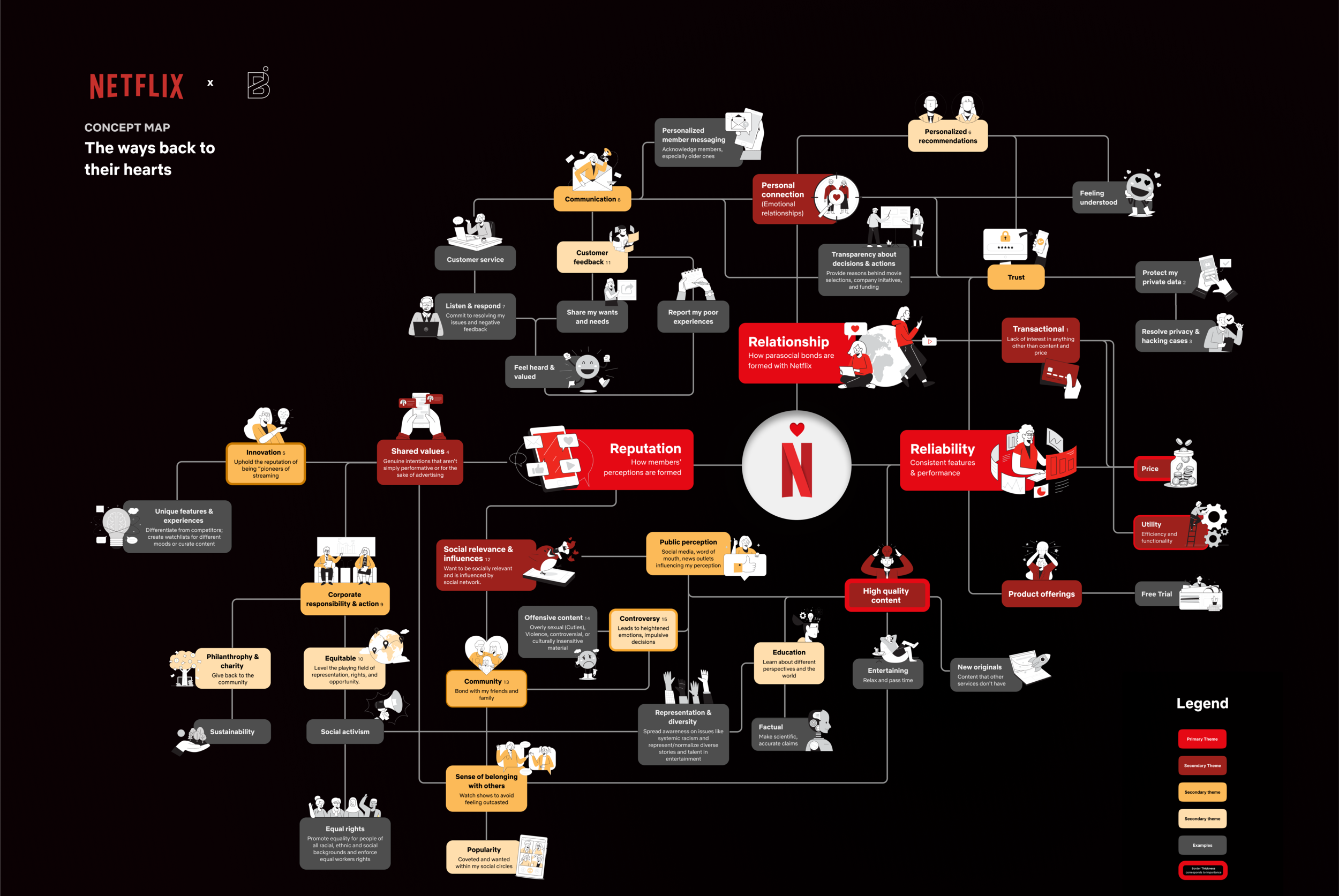
To visualize these key themes of relationship, reputation, and reliability, we created a concept map of features, actions, and ideas that contribute to the Netflix user experience. This concept map synthesizes insights directly from our interviews and affinity clusters.
RESEARCH
4. Surveys
We conducted qualitative research to assess impact and reasons members may cancel their membership.
In a survey, 292 people who don't love Netflix were asked to rank reasons that influence their decision to cancel their Netflix membership. The following reasons were related to outcome variables of satisfaction and willingness to stay with Netflix.
KEY INSIGHTS: QUANTITATIVE
The most common reason people cancel Netflix is because there aren’t enough good movies on Netflix. The second most common reason is they find their membership too expensive. However, members also strongly agreed with more nuanced reasons such as lacking trust, having dissimilar values, and wanting a more personalized experience.
GOAL
How does Netflix stack up in a relationship?
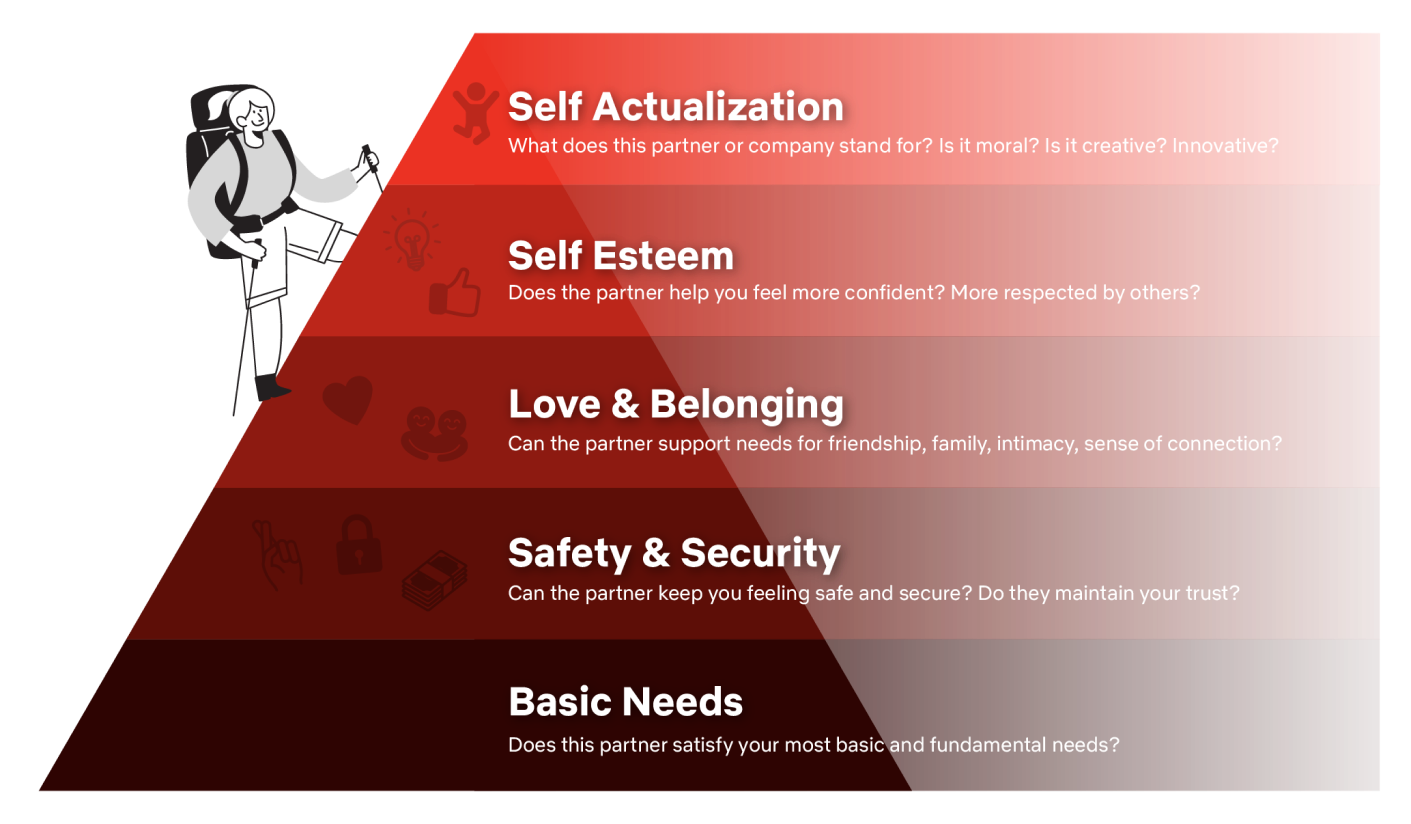
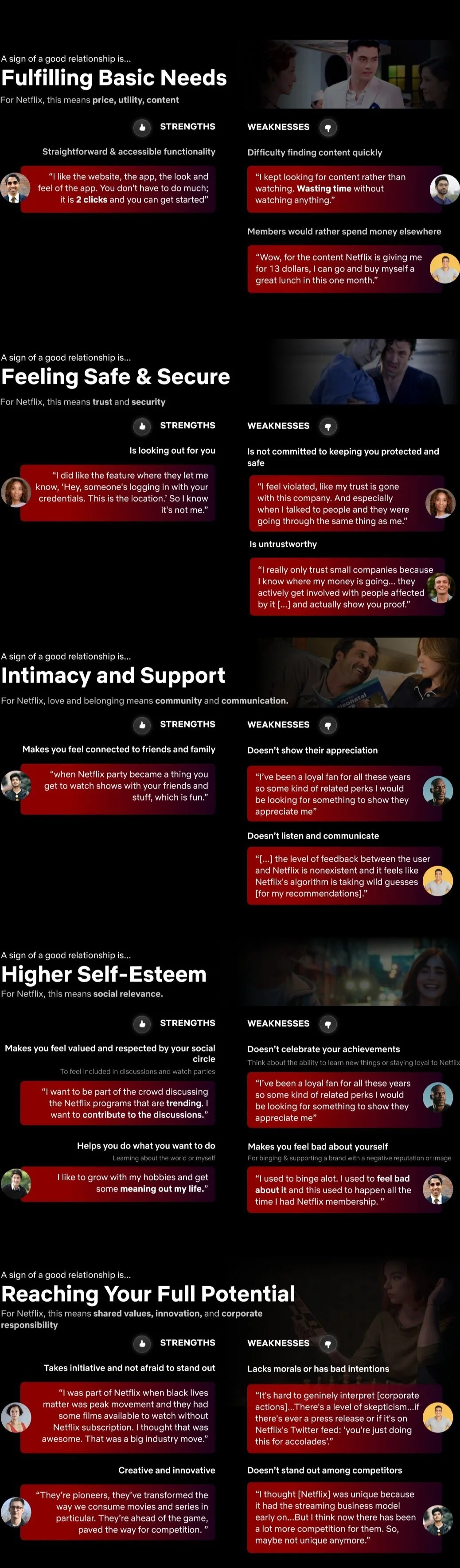
After some initial synthesis, the notion of a human relationship inspired us to develop the Parasocial Relationship Hierarchy of Needs, which builds on Abraham Maslow’s Hierarchy of Needs, created to visualize and better understand the types of relationships that members form with Netflix. Each level of the pyramid is organized in terms of strengths and weakness which examine how members and ex-members perceive Netflix
KEY INSIGHTS
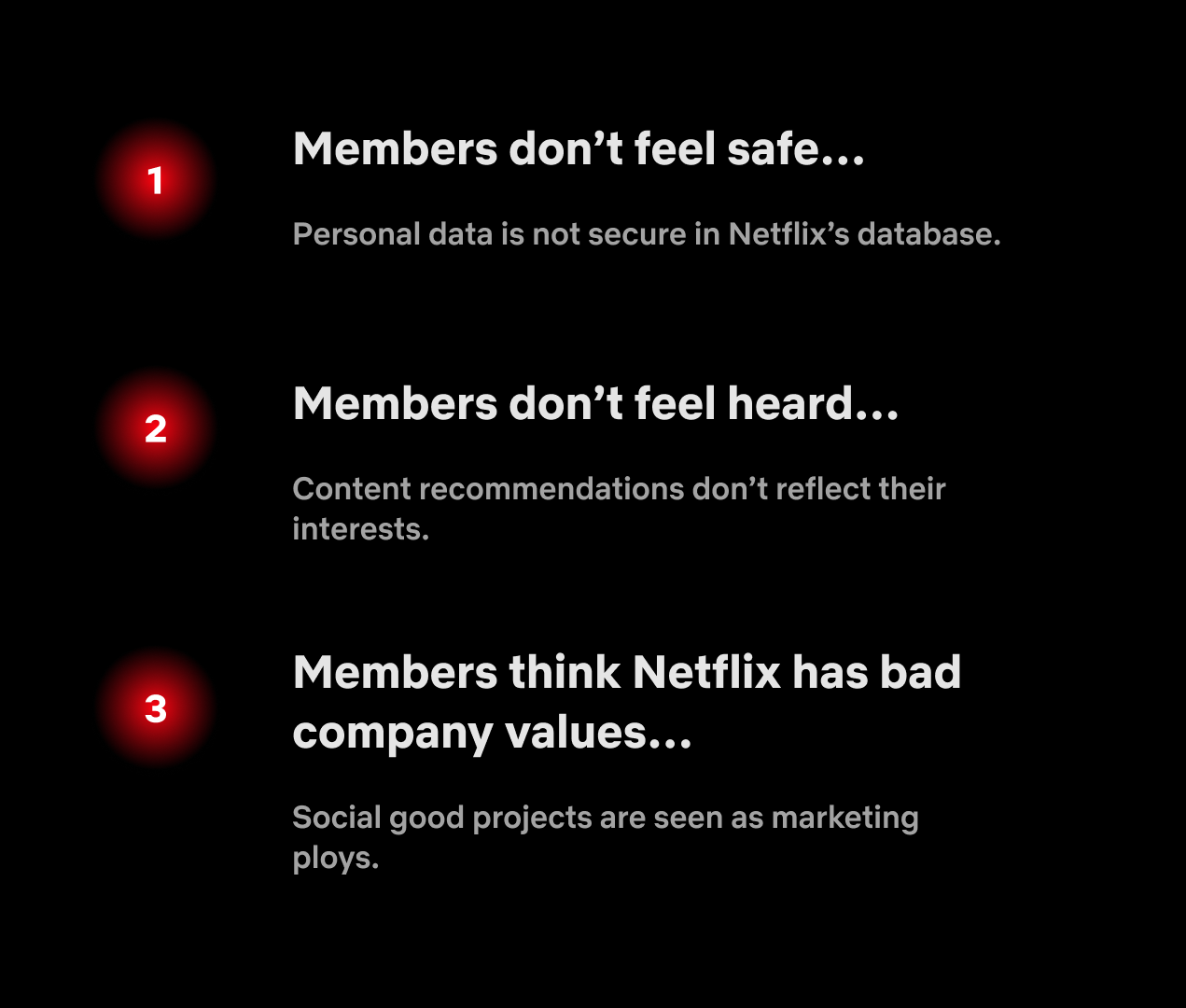
Based on the hierarchy of needs, we further discovered that…
SYNTHESIS: PERSONAS
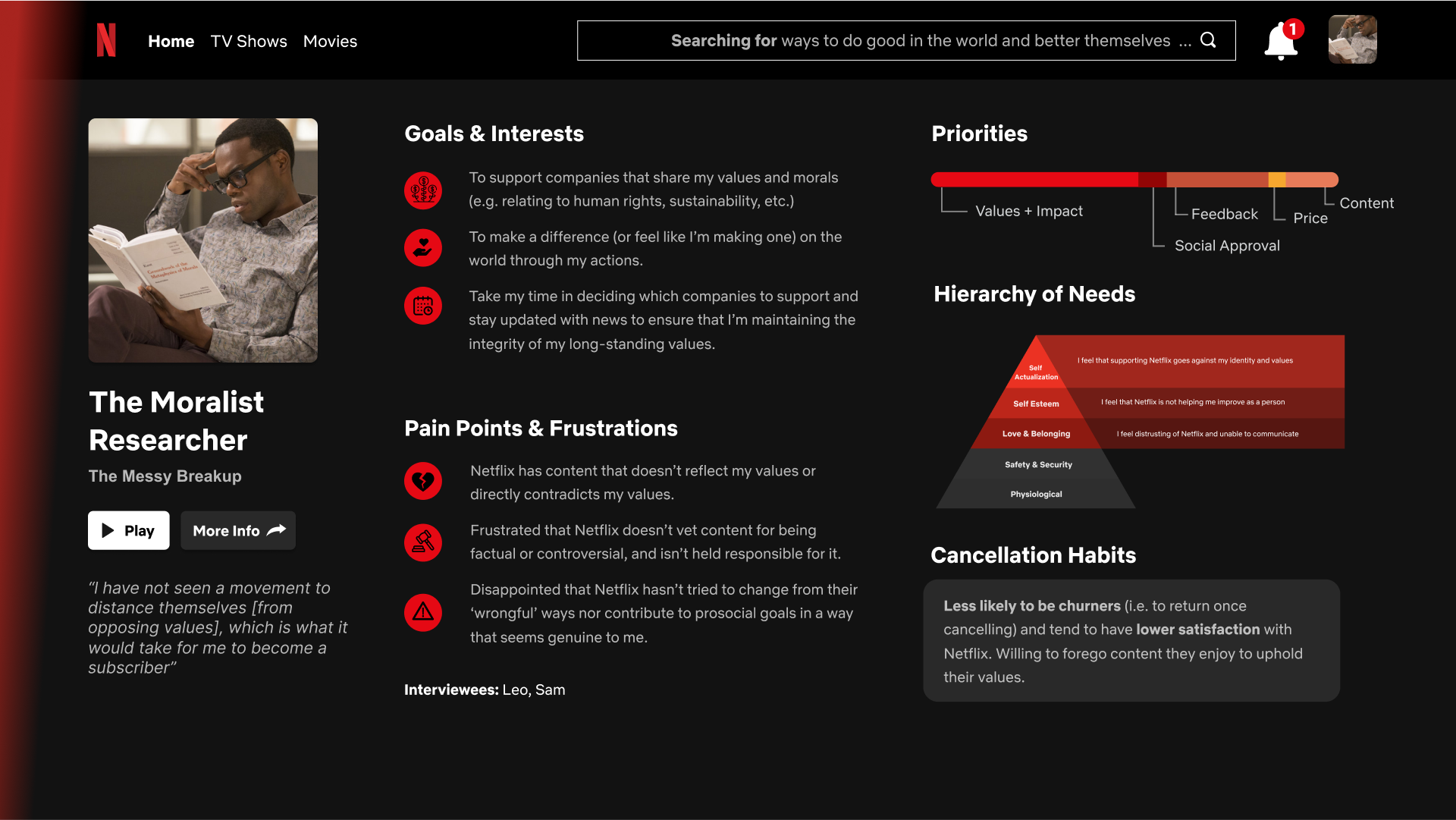
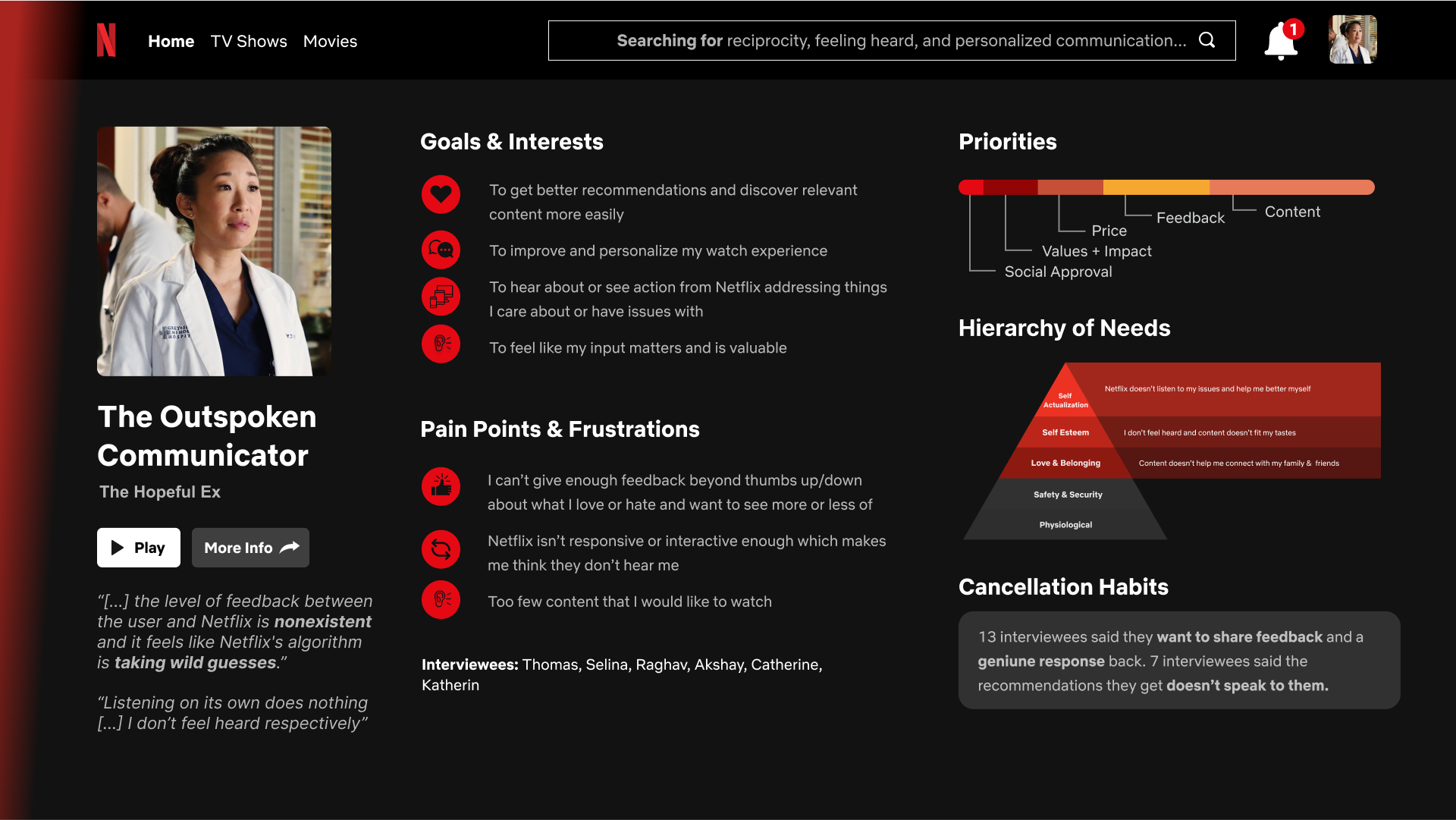
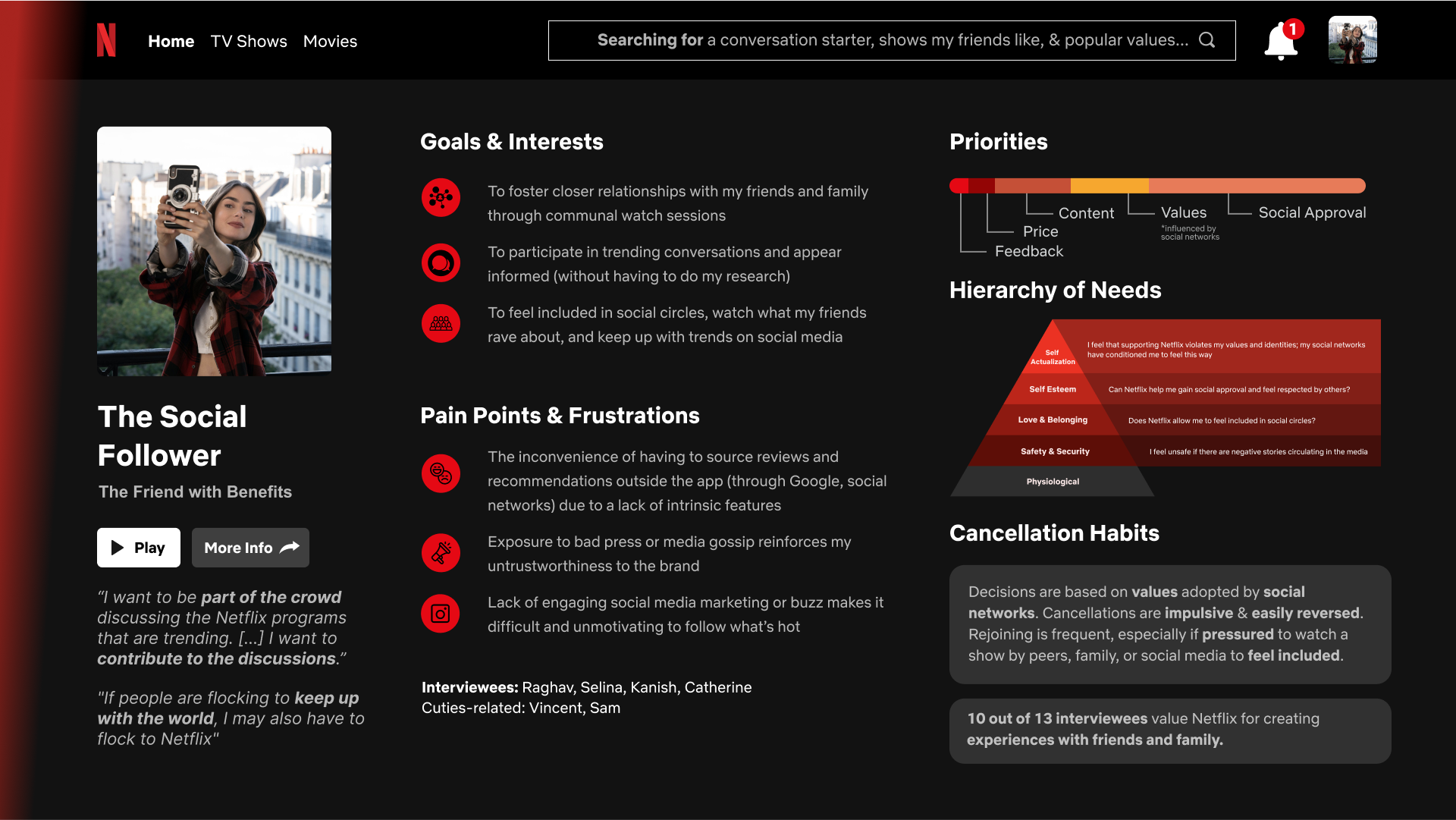
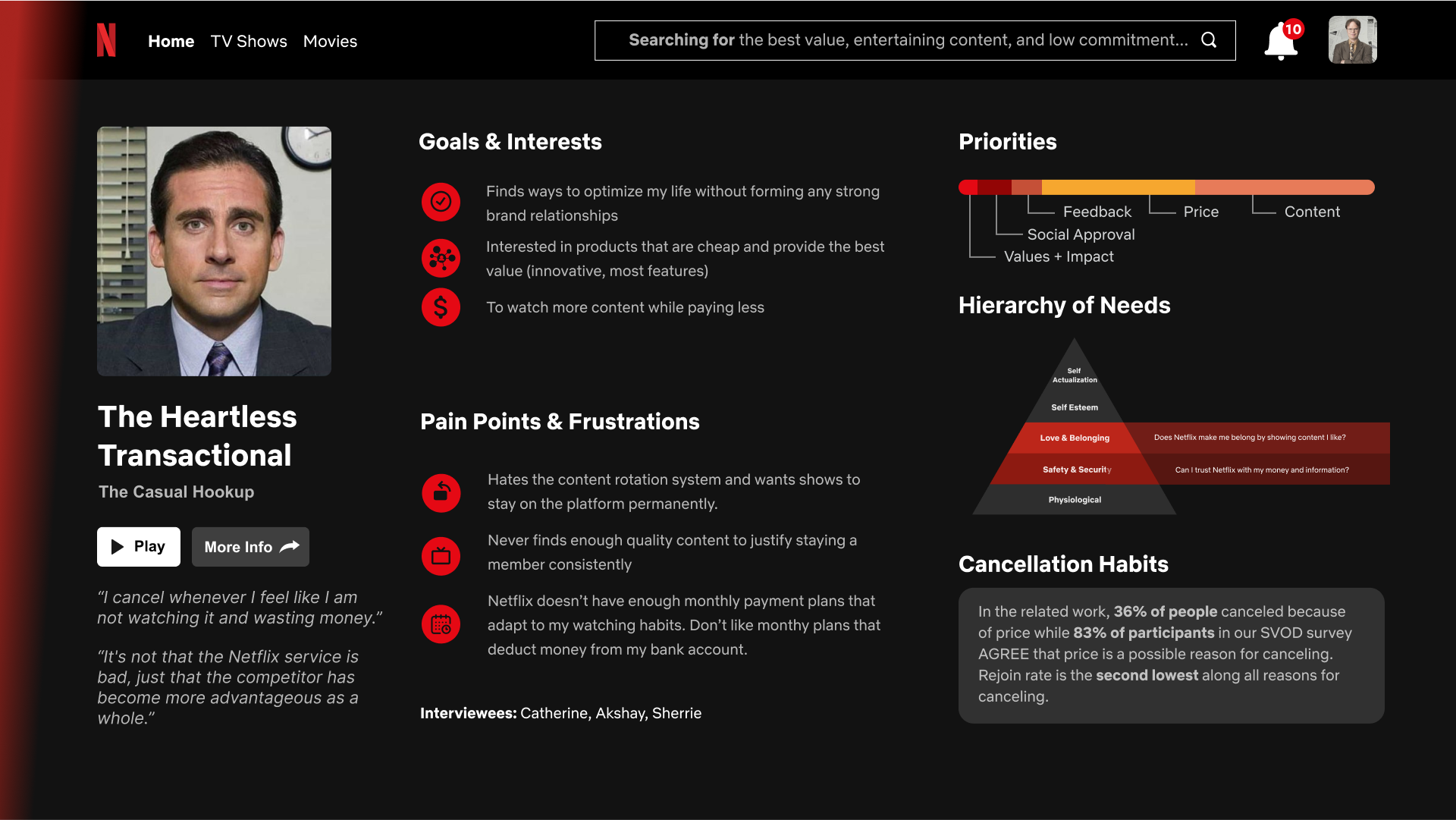
These 4 archetypes of people were most prominent in our interviews. Each of our interview participants were recruited based on their past relationship with Netflix, specifically we recruited those with motives for cancelling other than price and time. Thus the following patterns emerged from analyzing our interview responses.
5. Personas
From our interviews, we developed 4 archetypes of people…

IDEATION & CONVERGING
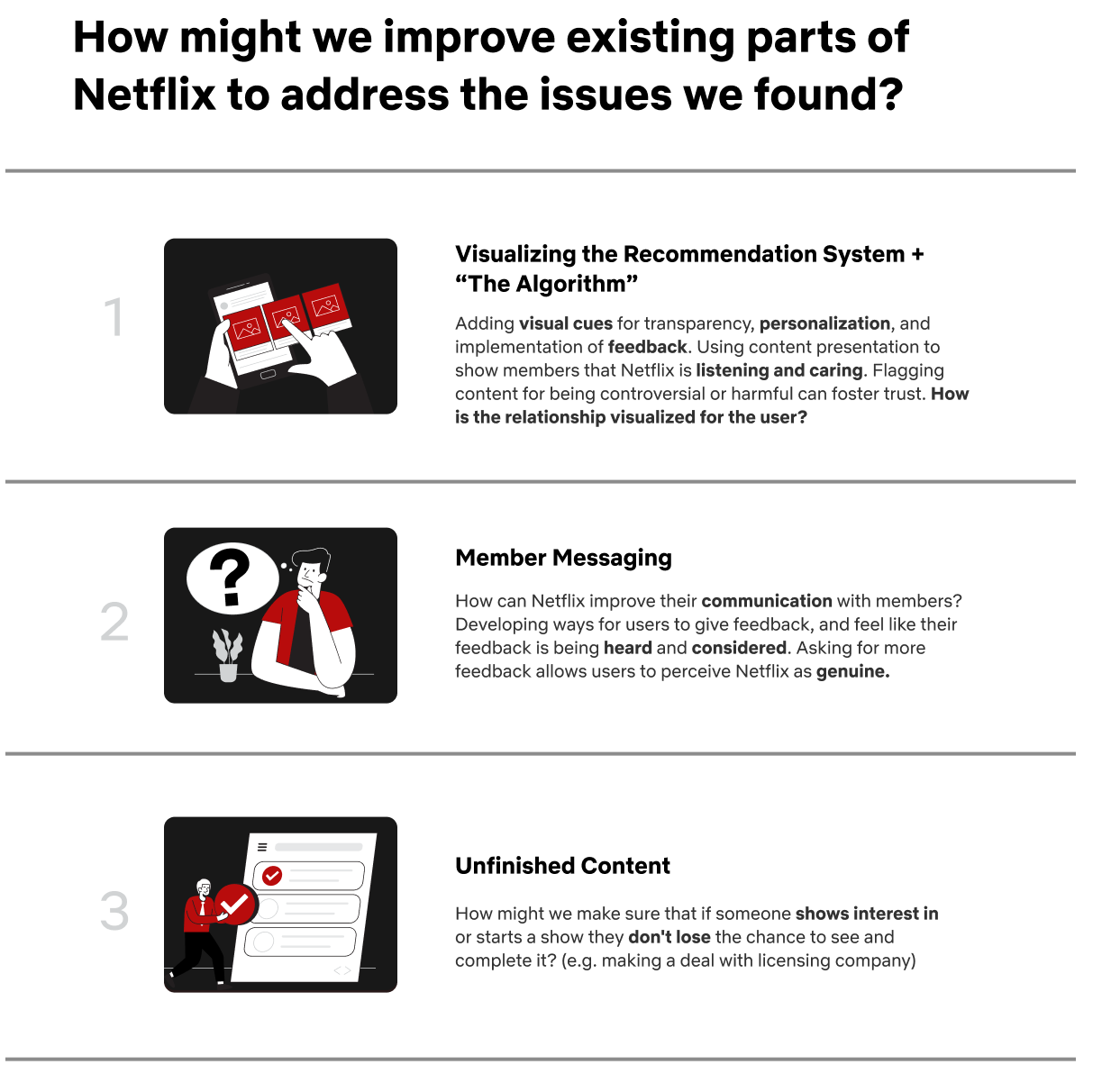
In our final sprint, we tackle the overarching question: How might we make members more inclined to stay or come back to Netflix?
From this, we draw on insights from theories of human motivation and behavioral economics.
Unrequited Feelings How can we make people who aren’t looking for a meaningful relationship change their mind? e.g. How might we make transactional members more inclined to want a relationship with Netflix?
FINAL DESIGN: “Visualizing the Recommendation System and Algorithm”
Design Recommendations
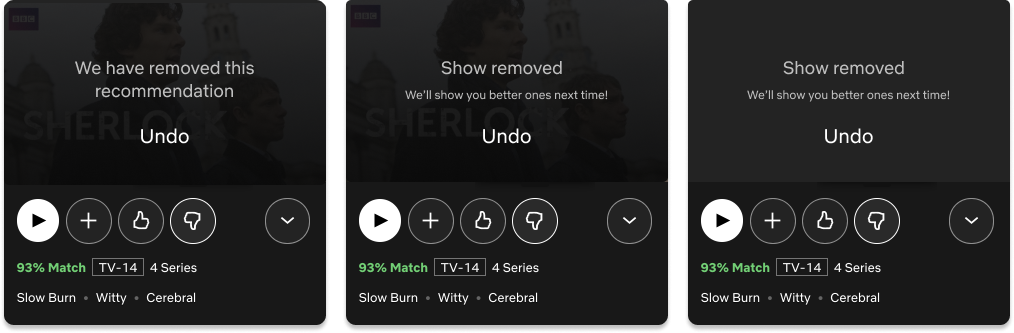
By visualizing the recommendation system and algorithm with visual cues and more noticeable animations, we hope to show members that Netflix cares about their feedback and is actively working to improve their experience. Thus, we redesigned the original thumbs-down feature to be more immediately apparent to users using different types of grayscale and gradient backgrounds.
OLD: Original Thumbs-Down Feature

NEW: Redesign of Thumbs Down Feature
Let’s see what it looks like on the website!
REFLECTION
Summary



Challenges
Developing a cohesive narrative and narrowing down our key insights
Results
Provided Netflix stakeholders key product strategies and recommendations; renewed focus on areas such as member messaging and content recommendation
Learnings
Identifying strategic ways that Netflix could improve its user interface that communicates to members that Netflix cares
Reflection
Thank you for making it this far! This was an in-depth three month research project. Thus, this (lengthy) case study still excludes many essential components of our research for the sake of being brief. This was my first time collaborating with the team at Netflix and fellow designers on a UX Research project. I am immensely proud of what we were able to accomplish in these last three months. Each member of the team had an opportunity to lead a different sprint (total of 4 sprints) which allowed us to each take leadership and more initiative over a special portion of the project. I personally led sprint 3 which included: survey design, release, and collection, creation of the member relationship concept map, and survey synthesis.
Working with Netflix this semester taught us how to leverage effective storytelling to empathize with users and understand their pain points. We conducted extensive qualitative and quantitative research and gathered insights in order to learn from members who consistently leave the service and come back. We worked closely with a senior UX designer who taught us how to use these insights to inform and validate actionable product strategies. Researching brand loyalty and user relationships to create a meaningful narrative was a rewarding experience and we were enlightened by the significance of parasocial bonds in streaming entertainment platforms.
We would like to thank the team at Netflix and our client Victoria Bellotti for their continuous guidance and support along the way!
Meet the Team!
Thanks for making it all the way down here :)